

UAE travel alert: Airlines respond to global Airbus A320 recall disruption
Etihad and Air Arabia reassure passengers as technical updates progress globally
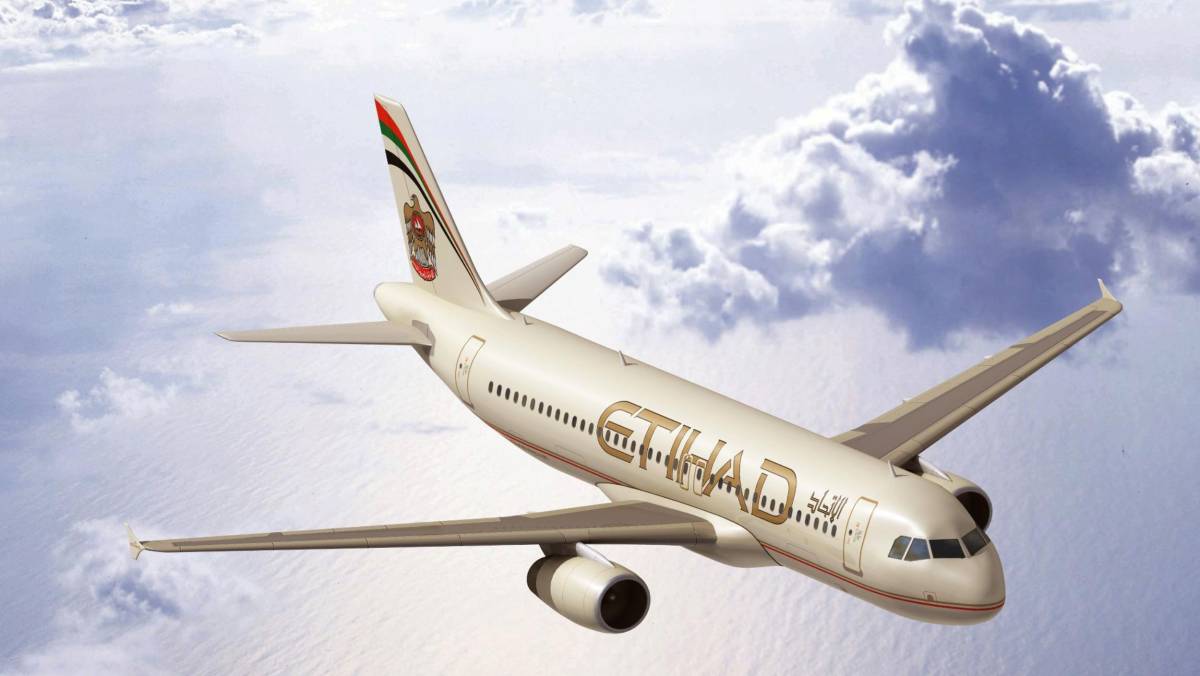
DUBAI – Airlines in the United Arab Emirates (UAE) and worldwide are navigating widespread operational checks prompted by an Airbus directive impacting the A320 family, one of the world’s most widely used aircraft types.
The precautionary move follows concerns about a potential flight-control issue linked to intense solar radiation. Airlines, regulators, and passengers across continents are monitoring the developments, with up to 6,000 jets worldwide requiring software or hardware modifications.
While some disruptions are expected, UAE carriers have responded quickly, prioritising safety and operational continuity.
Airbus issued the directive on Friday, calling for an immediate software update across the A320 fleet. The update affects aircraft equipped with a specific flight-control component known as the Elevator Aileron Computer (ELAC). The precautionary order is being treated with urgency by operators across the Middle East, Europe, Asia, and the United States. Most jets will receive a software update taking approximately three hours, while around 900 older aircraft will require hardware replacement, temporarily grounding affected planes.
Airline responses
UAE-based Air Arabia confirmed it has initiated mandatory software and technical upgrades across its affected A320 aircraft. The Sharjah-based budget carrier operates 67 A320 family aircraft through its operations in Sharjah and Abu Dhabi, making it one of the UAE’s largest operators of the model.
Statement Regarding Airbus A320 Advisory
— Air Arabia (@airarabiagroup) November 29, 2025
We confirm that we have received the directive issued by Airbus concerning the A320 aircraft type operated by airlines worldwide, which requires a number of aircraft to undergo specific software and technical updates.
In line with this…
“We confirm that we have received the directive issued by Airbus concerning the A320 aircraft type operated by airlines worldwide, which requires a number of aircraft to undergo specific software and technical updates,” a spokesperson said. The airline assured travellers that measures were being implemented across the impacted fleet and that any schedule adjustments would be communicated directly to affected passengers. “We are working to ensure minimal impact on our customers. In the event of any schedule adjustments, affected passengers will be notified directly.”
Air Arabia expressed regret for any inconvenience, emphasising its commitment to the highest levels of safety.
Meanwhile, Etihad Airways announced that its A320 operations have already returned to a normal schedule after completing the required update swiftly. The Abu Dhabi-based airline credited its operational teams for minimising disruption, especially during one of the busiest travel periods at Zayed International Airport ahead of the long weekend.
“Thanks to the exceptional efforts of our operational and technical teams, the update was completed quickly and with minimal disruption,” Etihad said. The carrier highlighted the importance of passenger understanding and reaffirmed that safety remains the airline’s top priority.
According to aviation data and analytics firm Cirium, UAE airlines collectively operate 106 Airbus A320-family aircraft, a significant portion of the regional fleet. The A320 is a preferred model globally, known for its fuel efficiency, versatility, and range of up to 4,700 nautical miles. Globally, around half of Airbus’s total commercial fleet—some 6,000 aircraft—fall under the recall directive.
The European Union Aviation Safety Agency (EASA) explained that intense solar radiation may, in rare cases, affect data used by the ELAC system, potentially leading to uncommanded movement of the aircraft’s control surfaces. While no major accidents have been directly attributed to the issue, the advisory was issued under safety precaution guidelines.
Global response
Carriers across Europe, Asia, and North America have begun fleet assessments to determine the number of affected aircraft. In India, operators including IndiGo, Air India, and Air India Express are implementing software and hardware realignments across around 200–250 aircraft, according to aviation authorities. Air India confirmed that over 40 per cent of its affected fleet has already been updated, with no flight cancellations reported so far. However, travellers have been advised to expect possible delays.
Similarly, Flynas in Saudi Arabia has begun carrying out software and technical recalibrations across part of its A320 fleet. The airline warned of longer turnaround times on a limited number of flights and said that any affected passengers would be contacted via SMS or email.
In Japan, All Nippon Airways (ANA) reported the cancellation of 65 domestic flights. The carrier confirmed that 34 of its A320-family aircraft required the update, affecting thousands of passengers travelling in and out of Haneda Airport in Tokyo. Japan Airlines, however, confirmed its fleet was unaffected.
Impact on airports
In the United Kingdom, Gatwick Airport reported that approximately 80 aircraft were affected. While Heathrow confirmed no major operational impact, airlines are coordinating parking and overnight update schedules to minimise disruption.
In the United States, American Airlines reported that 340 aircraft would undergo inspection and update, with many expected to be completed by Saturday. Delta said fewer than 50 of its A321neo aircraft were affected and anticipates limited disruption. United Airlines and Hawaiian Airlines said their fleets were unaffected.
Technical fixes
The required repair process primarily involves reverting aircraft systems to earlier software versions. The ELAC units receive a software patch to safeguard against corrupted flight-control data. For the older aircraft requiring hardware replacement, the process is more complex and may involve transporting aircraft to maintenance facilities. Ferry flights, where aircraft are flown without passengers to maintenance hubs, are permitted under regulated safety guidelines.
Regulatory oversight
The Directorate General of Civil Aviation (DGCA) in India has issued an airworthiness directive banning the operation of certain A320-family aircraft without the mandated modification. “No person shall operate any aircraft that falls under the applicability of this mandatory modification except those complying with the requirements,” the order said.
The directive listed multiple Airbus models, including A319, A320 ceos and neos, and A321 variants, underscoring the scale of the global impact.
Passenger advisory
As airlines work to implement the updates, passengers are advised to monitor notifications, maintain updated contact details, and check flight statuses before travelling to the airport. Carriers have reiterated that no major safety incidents have been linked to the issue and that the directive is precautionary.
The software anomaly came into focus after a JetBlue A320 experienced a sudden drop in altitude during a flight from Cancun, Mexico, to Newark, New Jersey, in late October. The aircraft made an emergency landing in Tampa, Florida, with minor injuries reported for 15 passengers. The investigation pointed to potential data corruption within the ELAC system, prompting Airbus and EASA to issue a global directive.
Airbus describes the A320 family as the “aircraft of choice for airlines around the world.” With seating for 120 to 244 passengers, modern A320 aircraft already operate partially using sustainable aviation fuel, with Airbus targeting 100 per cent use by 2030. Its advanced turbofan engines offer up to 20 per cent reductions in fuel burn compared with earlier models.
As airlines continue to implement updates, global regulators reiterate that safety remains the absolute priority of the aviation industry, with operational continuity managed closely alongside compliance efforts.